

When it comes to tools for woodcutting and forestry, there are many varieties available, each with its own design and specific use. Among these, the Astbeil stands out as a versatile and precise tool with a long history. Originating from German and Central European traditions, the Astbeil is a specialized hand axe known for its balance of power and maneuverability. This article will explore the design, history, and significance of the Astbeil, along with its place in both past and modern woodworking practices.
What is an Astbeil?
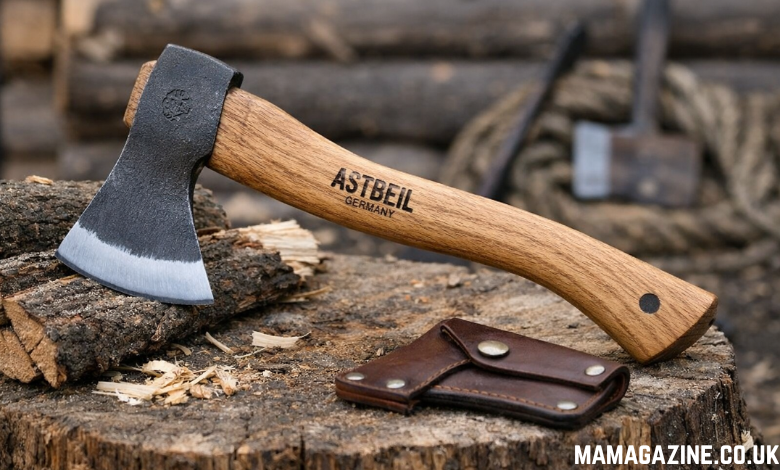
An Astbeil is a small, one-handed axe, often referred to as a hatchet in English. It is primarily designed for tasks like chopping, cutting, and shaping wood with precision. Unlike larger axes, the Astbeil offers greater control due to its compact size and ergonomic handle. It is a tool that blends the efficiency of a traditional axe with the precision of a more delicate instrument. The term “Astbeil” is derived from the German word “Ast,” which means branch, reflecting its primary use in forestry and woodworking for trimming branches and shaping logs.
The Anatomy of an Astbeil
At its core, the Astbeil is a simple yet highly effective tool. It consists of a sharp, single-sided blade attached to a sturdy handle. The blade is usually crafted from premium steel, guaranteeing both strength and precision. The head of the tool is heavier than the handle, providing the necessary weight to deliver powerful strikes with each swing.
The design of the handle is crucial for the tool’s performance. Most Astbeils are designed to be lightweight and easy to maneuver, allowing the user to control the tool with a single hand. This makes it ideal for precise cuts and shaping, particularly in situations where a larger axe would be too unwieldy. The handle is often made from wood, though modern variants may incorporate synthetic materials for added durability and shock absorption.
A History Rooted in European Craftsmanship
The roots of the Astbeil can be traced back to early European woodworking traditions, particularly in Germany and Scandinavia. These regions have a rich history of toolmaking, with many renowned manufacturers producing high-quality axes and hatchets that have withstood the test of time.
One of the most well-known German brands, Helko Werk, has been producing premium axes since its founding in 1844. The company is renowned for its commitment to traditional forging techniques, utilizing high-carbon steel to create robust, long-lasting blades. Over the years, Helko Werk has maintained its reputation by combining old-world techniques with modern steel technology.
Similarly, Ochsenkopf, another historic German brand, has built a legacy in the production of forestry tools, including the Astbeil. The company has been crafting timber tools since the early 19th century and remains a prominent player in the field of high-quality axes and hatchets.
These brands, along with many others, represent the dedication to craftsmanship that has defined European toolmaking for centuries. The evolution of these tools has led to the highly refined Astbeil, which is now used not only for forestry tasks but also by carpenters, woodworkers, and outdoor enthusiasts.
The Role of the Astbeil in Modern Woodworking
While the Astbeil’s roots are firmly planted in the past, it remains a popular tool in modern woodworking and forestry. Its precise design allows users to perform detailed tasks that larger axes and hatchets cannot. Whether used for trimming small branches, crafting wooden objects, or splitting small logs, the Astbeil is a tool that offers both power and control.
Many modern-day users appreciate the Astbeil’s ability to deliver clean, accurate cuts, making it an indispensable tool in a variety of settings, from outdoor survival scenarios to fine woodworking projects.
For outdoor enthusiasts, the Astbeil is often considered a “must-have” tool in their gear. Whether used to chop firewood for a campfire, trim branches for shelter building, or carve wooden utensils, the Astbeil offers the versatility needed for a wide range of activities. Its portability and ease of use make it a preferred choice for those who need a compact and effective tool on the go.
Understanding the Different Types of Astbeils
Not all Astbeils are created equal. There are several variations of the tool, each designed for different types of tasks. These differences primarily revolve around the weight of the head, the length of the handle, and the overall shape of the blade.
- Head Weight: The weight of the Astbeil’s head determines the force behind each strike. A heavier head provides more impact and is better suited for tougher tasks, such as splitting wood. A lighter head, on the other hand, is ideal for precision work and detailed carving. The choice of head weight largely depends on the user’s needs and the nature of the work being performed.
- Handle Length: The length of the handle plays a significant role in the Astbeil’s maneuverability. A longer handle provides more leverage and force, making it suitable for chopping larger pieces of wood. However, it may be more difficult to control for fine tasks. A shorter handle, while offering less leverage, allows for greater control and precision. This makes it ideal for detailed cutting, shaping, and trimming work.
- Blade Shape: The shape of the blade also varies depending on the intended use. Certain Astbeils are designed with a straight edge for clean, accurate cuts, while others boast a curved blade ideal for shaping and carving. The blade’s angle and curvature affect how it interacts with the wood, allowing the user to choose a tool that best suits their specific needs.
The Importance of Quality Materials
As with any tool, the quality of the materials used to create the Astbeil is essential for its performance and longevity. The blade is typically made from high-carbon steel, which is known for its strength and ability to hold an edge. Steel hardness is a critical factor in ensuring the blade remains sharp and durable, even after repeated use.
In addition to the blade, the handle material plays a key role in the tool’s comfort and usability. Traditionally, wooden handles made from ash or hickory have been preferred for their strength, flexibility, and shock absorption properties. However, modern versions of the Astbeil may also feature fiberglass or synthetic materials that offer increased durability and resistance to wear and tear.
The head of the Astbeil is typically forged through a process known as drop forging, where the steel is heated and then hammered into shape. This technique ensures that the blade retains its strength and hardness while maintaining a sharp edge for efficient cutting.
How to Use an Astbeil
Using an Astbeil requires a balance of strength and technique. To get the most out of the tool, users should ensure that the blade is properly sharpened and maintained. Regularly honing the blade ensures that it remains sharp and capable of cutting through wood with ease.
When using the Astbeil, it’s important to focus on the angle at which the blade strikes the wood. A controlled, precise swing is crucial for achieving clean cuts without damaging the wood. For trimming branches, users should position the blade at an angle that allows the sharp edge to slice through the wood smoothly. When shaping logs or performing carving tasks, a more delicate touch is required, with the blade guided along the wood to create the desired shape.
Safety should always be a priority when using an Astbeil. Proper hand placement, wearing protective gloves, and ensuring that the work area is clear of obstructions are important steps in preventing accidents.
Conclusion
The Astbeil is a tool that has evolved over centuries of craftsmanship and tradition. Its design offers a perfect balance of power, precision, and maneuverability, making it an invaluable tool for a wide range of tasks. Whether used in forestry, carpentry, or outdoor activities, the Astbeil’s efficiency and versatility make it an indispensable tool for those who appreciate fine craftsmanship and practical design.
From its historical roots in Germany and Scandinavia to its modern-day applications, the Astbeil continues to be a reliable and essential tool for woodworkers, outdoor enthusiasts, and anyone in need of a compact yet powerful cutting tool. By understanding its design, history, and proper use, users can fully appreciate the value of this remarkable tool and ensure its place in their toolkit for years to come.