

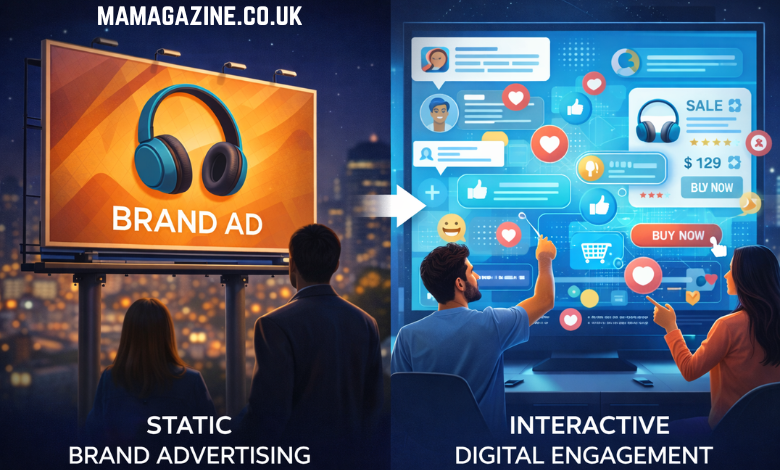
Something shifted this year. Not dramatically, not overnight — but if you have been watching consumer engagement data closely, you already know that the rules around brand trust have quietly, fundamentally changed.
The brands winning in 2026 are not the ones running the cleverest ads. They are the ones handing their audience something genuinely useful before asking for anything in return.
The Noise Problem Is Getting Worse, Not Better
Generative AI flooded the internet with content. Competent, readable, instantly forgettable content. The result is that the average consumer is now more skeptical of what they read online than at any point in the last decade. Trust scores for branded editorial content have been declining steadily, and attention spans for “informational” blog posts are at historic lows.
So what actually cuts through? Tools. Experiences. Moments where the user is doing something, not just reading something.
The Gamification of Education — and Why Brands Are Paying Attention
Behavioral researchers have long understood that active recall — the act of retrieving information rather than passively receiving it — creates significantly stronger memory traces. What is newer is the recognition that brands can harness this same mechanism.
When a user completes a skill-based test, interactive quiz, or self-evaluation on a brand’s platform, multiple things happen at once. They are first given real worth. Second, they spend meaningful time engaged with the brand. Third, and most importantly, they associate that brand with capability and authority — not promotion.
This is categorically different from reading a blog post that argues the brand is trustworthy. It is trust demonstrated through action.
The ‘Value-First’ Loop That Static Content Cannot Replicate
The most prosperous companies in 2026 have shifted from “talking at” their audience to “participating with” them. We are seeing a massive shift toward utility-based marketing, where value is delivered long before the pitch. For example, offering high-quality practice tests free of charge does more than just help the user—it establishes the brand as a primary authority in their professional journey. This “Value-First” loop transforms a basic utility into a potent engine for loyalty and conversion by leaving a psychological imprint that static advertising cannot match.
High-Intent Engagement: A Case Study Worth Examining
Exam preparation for professionals is one example. Some of the most determined, goal-oriented online users are those looking for certification resources. They come with actual stakes in the outcome, a deadline, and a specific need. Genuine reliance is earned by a platform that provides users with a high-fidelity, exam-realistic practice tool, something that a static guide could never do.
Reliance is the precursor to loyalty. And loyalty, in any commercial context, is what every marketing dollar is ultimately chasing.
The data backs this up. Platforms built around interactive tools consistently outperform content-only competitors on return visit rates, session duration, and direct referral traffic — the highest-quality signal in digital marketing.
What Marketers Should Take Away
The practical implication here is not that every brand needs to build a SaaS product. It is simpler than that. Ask what your audience is trying to accomplish, then find the smallest, most useful tool you can put in their hands before you ask for anything back.
A mortgage calculator on a finance blog. A readability scorer on a writing platform. A skills diagnostic on a learning site. These are not gimmicks — they are commitments. They say: we understand what you need, and we built it for you.
That is the brand voice that consumers in 2026 are actually listening to.