

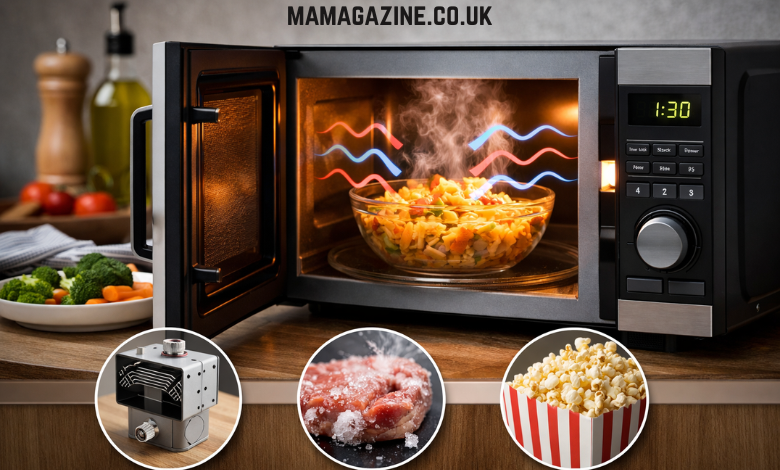
In the fast-paced world of modern kitchens, few appliances have become as indispensable as the microwave. It’s one of those devices that most of us take for granted, using it to quickly reheat leftovers, cook frozen meals, or even prepare an entire dish. But what makes the microwave, or “microwey,” as it is sometimes playfully called, so efficient and popular? In this article, we’ll take a closer look at what microwey is, how it works, its evolution, and its role in our daily lives.
What Exactly is Microwey?
At its core, “microwey” refers to a microwave oven, a kitchen appliance that uses electromagnetic waves to cook or heat food quickly. Unlike conventional ovens, which rely on heating air and then transferring heat to the food, microwave ovens use a specific kind of electromagnetic radiation, called microwave radiation, to directly excite food molecules and heat them rapidly. This technology has not only transformed the way we cook but also how we think about meal preparation.
Microwey is often considered synonymous with convenience. From busy professionals to students in dorms, the microwave has provided a much-needed shortcut in cooking, offering an efficient, fast, and easy way to handle meals. But there’s more to microwey than just reheating your morning coffee or making popcorn.
The Science Behind Microwey: How Does It Work?
To understand how microwey works, it’s important to know about the underlying technology. The microwave oven relies on microwave radiation, which is a type of electromagnetic wave, to heat food. A few of the most frequent and practical uses are:
- Microwaves and the Magnetron:
The key component inside a microwave oven is the magnetron, a type of vacuum tube that produces the microwave radiation. The magnetron converts electrical energy into electromagnetic waves, which then enter the cooking chamber. - How Microwaves Interact with Food:
These waves are absorbed by the food, causing the water molecules in the food to vibrate at a very high frequency. As the water molecules oscillate rapidly, they produce heat by creating friction between them. This heat is distributed throughout the food, quickly raising its temperature and cooking it. - Dielectric Heating:
The process is called dielectric heating, where the food’s water, fat, and sugar molecules absorb the microwave radiation, causing them to heat up. This method is much faster than conventional heating because it heats the food directly, rather than heating the air around it.
A Short History of Microwey
The microwave oven has an interesting history, and it didn’t just pop up in every kitchen overnight. The story begins in the 1940s when the technology was first discovered. In 1945, engineer Percy Spencer, while working on radar systems, accidentally noticed that a candy bar in his pocket had melted due to microwave radiation. This led him to further investigate the possibility of using microwave radiation to cook food, which eventually led to the development of the first microwave oven.
The first commercial microwave oven, the “Radarange,” was introduced in 1947 by the Raytheon Company. However, early models were expensive and bulky, limiting their use to industrial kitchens and restaurants. It wasn’t until the 1970s that microwave ovens began to make their way into homes, thanks to advancements in technology that made them more affordable.
By the 1980s, microwave ovens were a common fixture in households worldwide, revolutionizing how people prepared meals. Today, almost every kitchen has one, and microwey has become an essential tool in many homes.
Why Is Microwey So Popular?
The appeal of microwey lies in its convenience. Life has become faster, and with that, the demand for time-saving appliances has grown. The microwave oven offers a quick solution for busy individuals who don’t have the luxury of spending hours preparing meals. It allows people to defrost frozen food, cook meals in minutes, and reheat leftovers without the hassle of using multiple appliances.
In addition to speed, microwey is also energy-efficient. Unlike traditional ovens that require significant amounts of energy to heat the air, a microwave directly heats the food, leading to lower energy consumption. For individuals or families who need to reheat food or cook small meals, the microwave oven is a more cost-effective solution than turning on a traditional oven.
Common Uses of Microwey
The microwave oven has a wide range of uses that go beyond reheating food. A few of the most frequent and practical uses are:
- Reheating Leftovers:
The microwave is a fast and efficient way to reheat leftover food. Whether it’s last night’s dinner or a quick snack from earlier in the day, the microwave can get food hot and ready to eat in just a few minutes. - Cooking Quick Meals:
There is an extensive range of microwave-ready meals, from frozen dishes and quick soups to instant rice options. These meals provide a quick option for those in a hurry or when time is tight. - Defrosting Frozen Food:
The microwave can also be used to defrost frozen meat, vegetables, and prepared meals. Defrosting in a microwave is faster than leaving food to thaw in the fridge or at room temperature. - Popcorn and Snacks:
Microwey is well-known for popping popcorn. Whether you’re using microwaveable bags or kernels, the microwave makes it easy to make fresh popcorn in minutes. It’s also great for quickly warming up snacks like chips, dips, or even frozen baked goods. - Steaming Vegetables:
With the right containers, you can steam vegetables in the microwave. This method preserves nutrients better than boiling, making it an excellent option for quick, healthy meals. - Baking:
Some advanced microwaves come equipped with convection features, allowing you to bake goods such as cakes, muffins, and pizzas. While it may not match the results of a traditional oven, the microwave offers a fast alternative for baking in smaller quantities.
Is Microwey Safe?
When used correctly, microwey is a safe appliance. However, there are a few key safety tips to ensure it’s used properly:
- Use Microwave-Safe Containers:
Only use containers that are marked as microwave-safe. Some materials, such as plastic or metal, can release harmful chemicals or cause sparks when exposed to microwaves. - Avoid Overheating Liquids:
Superheating liquids in the microwave can cause them to boil explosively once disturbed. Stir liquids before and during heating to ensure even heating and avoid dangerous splashing. - Never Microwave Metal:
Placing metal objects or utensils in the microwave can cause sparks and even start fires. Always avoid using metal containers or aluminum foil. - Regular Cleaning:
Keep your microwave clean by wiping it down after each use. This prevents food build-up that could affect performance and hygiene.
Debunking Common Myths About Microwey
There are several myths surrounding the microwave oven that have led to confusion over the years. Let’s address some of the prevalent myths and clarify the facts:
- Microwaves Destroy Nutrients:
Many people believe microwaving food destroys nutrients, but this isn’t true. Studies show that microwaving food, especially vegetables, can actually preserve nutrients better than other cooking methods like boiling, as it uses less water and shorter cooking times. - Microwaves Cause Cancer:
There’s no scientific evidence to support the idea that microwaving food increases the risk of cancer. Microwey uses non-ionizing radiation, which is much less harmful than the ionizing radiation used in medical procedures like X-rays. - Microwaving Plastic Can Be Harmful:
While some plastics can leach chemicals when microwaved, using microwave-safe plastic containers eliminates this risk. Always check for labels on plastic containers that indicate they are microwave-safe.
Conclusion
Microwey has undoubtedly transformed how we approach cooking, offering an unmatched combination of convenience, speed, and efficiency. From its accidental discovery to becoming a household essential, the microwave oven has proven to be a modern marvel. Understanding its workings, uses, and safety precautions will help you make the most of this versatile kitchen appliance. Whether you are reheating leftovers, cooking a quick meal, or experimenting with new recipes, the microwave is a reliable companion in today’s fast-paced world.
By embracing the science and understanding the potential of your microwave oven, you can ensure that you’re using it safely and efficiently to improve your cooking experience.