

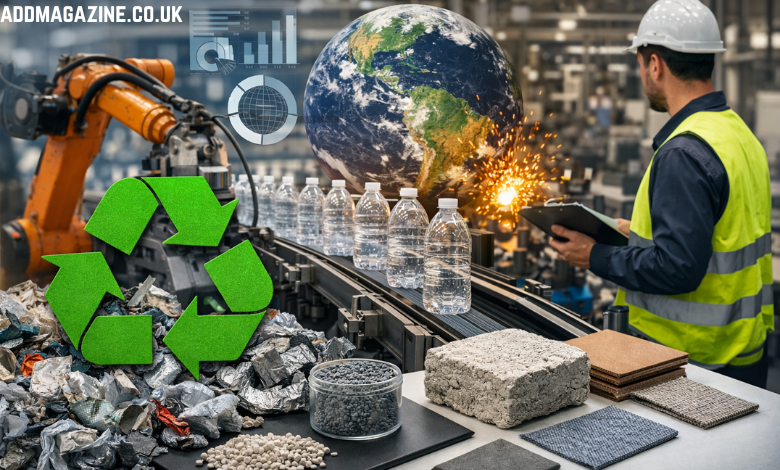
The term “Recyclatanteil” is derived from the German language and translates directly to “recycling content share” or “recycled content share.” In its essence, it refers to the proportion or percentage of recycled materials incorporated into the manufacturing process of a product. This metric plays a crucial role in evaluating the sustainability and environmental impact of manufacturing processes. Specifically, it measures how much of a product’s composition comes from recycled materials, as opposed to fresh, virgin resources.
The concept of “Recyclatanteil” has gained significant importance in recent years, particularly in the context of a global push toward sustainability. As the world faces challenges like climate change, resource depletion, and waste management, industries are increasingly focusing on incorporating recycled materials into their production lines. This not only helps in reducing the environmental footprint but also promotes a circular economy, where materials are reused and recycled rather than discarded.
Now, let’s delve deeper into the implications of “Recyclatanteil” in various industries and its growing significance in modern manufacturing.
The Importance of Recyclatanteil in Manufacturing
Recyclatanteil serves as an indicator of how much recycled content is integrated into a product. For manufacturers, increasing the recyclatanteil is a significant step towards achieving sustainability goals. For example, in the production of plastic packaging, a high recyclatanteil means that the product contains a considerable amount of recycled plastic, rather than being made from newly sourced plastic.
The term has become a key part of environmental assessments and sustainability certifications for products and industries. Regulatory frameworks, consumer demand, and corporate social responsibility efforts are all pushing manufacturers to improve their recyclatanteil.
Environmental Benefits of Increasing Recyclatanteil
- Reducing Waste: One of the primary benefits of using recycled materials is that it reduces the amount of waste sent to landfills. Instead of throwing away used materials, they are repurposed into new products, thereby decreasing waste accumulation.
- Conserving Resources: By using recycled content, industries decrease their reliance on raw materials, which are often limited and require energy-intensive extraction processes. This results in lower resource consumption and contributes to the conservation of natural resources.
- Lowering Carbon Emissions: The process of recycling typically uses less energy compared to manufacturing products from virgin materials. This reduction in energy consumption helps decrease carbon emissions, which is vital in combating climate change.
- Encouraging a Circular Economy: Recyclatanteil promotes the concept of a circular economy, where products are designed to be reused, repaired, and recycled. This contrasts with the traditional linear economy, where products are made, used, and disposed of without reusing materials.
Industry-Specific Examples of Recyclatanteil in Practice
- Packaging Industry: In the packaging industry, companies are striving to increase the recyclatanteil of their products. For instance, many beverage companies now use bottles made from a high percentage of recycled PET (Polyethylene Terephthalate) plastic. This not only reduces waste but also ensures that the materials used to create these bottles are sourced from recycled goods, making the entire process more sustainable.
- Construction: The construction industry has also made strides in increasing the recyclatanteil of building materials. Recycled steel, glass, and concrete are being used more frequently in construction projects. This reduces the need for new raw materials and cuts down on the environmental impact of building operations.
- Textile Industry: The fashion industry, known for its significant environmental impact, is beginning to incorporate more recycled materials. Clothing made from recycled fibers, such as polyester made from recycled PET bottles, is becoming more common. Brands are now focusing on increasing the recyclatanteil in their product lines to meet consumer demand for sustainable and eco-friendly products.
- Electronics: Electronic waste (e-waste) is another area where recyclatanteil plays an important role. Manufacturers are working on increasing the recyclatanteil in their electronic devices by using more recycled metals and plastics in the production of gadgets like smartphones, laptops, and televisions. This helps in reducing the environmental harm caused by electronic waste, a growing issue globally.
Challenges and Considerations in Increasing Recyclatanteil
While increasing the recyclatanteil of products has clear benefits, it also comes with challenges:
- Quality of Recycled Materials: One of the main challenges in increasing recyclatanteil is ensuring that recycled materials meet the necessary quality standards. Not all recycled materials are suitable for all types of products. For example, recycled plastic may not have the same strength or durability as virgin plastic. Manufacturers need to develop methods to ensure that recycled materials are of high enough quality to be safely used in production.
- Availability of Recycled Materials: The availability of high-quality recycled materials can vary, often leading to inconsistencies in supply. This may make it difficult for companies to maintain a high recyclatanteil in their products. The collection and processing of recyclable materials must be efficient and widespread to ensure a steady supply.
- Cost Considerations: In some cases, using recycled materials can be more expensive than using virgin resources. The cost of collecting, sorting, and processing recycled materials may be higher, which can make it difficult for manufacturers to maintain profitability while increasing recyclatanteil.
- Consumer Education: While the importance of recycling is well-known, many consumers may not fully understand the significance of recyclatanteil or how it affects product sustainability. There is a need for increased awareness and education about the benefits of choosing products with higher recyclatanteil.
- Regulations and Standards: Governments and regulatory bodies are increasingly introducing legislation to encourage higher recyclatanteil in products. However, these regulations can vary widely by region and industry, creating complexity for companies that operate in multiple markets. Standardized definitions and measurements of recyclatanteil would help streamline efforts to track and report progress.
The Future of Recyclatanteil and Sustainability
As we move towards a more sustainable future, the role of recyclatanteil will only grow. Increasing the percentage of recycled materials in products is not just a trend, but an essential component of global sustainability efforts. Governments are likely to introduce more stringent recycling requirements, and companies that embrace these changes early will be better positioned to lead in the market.
Technological advancements are also likely to play a key role in improving recyclatanteil. Innovations in recycling processes, better sorting technologies, and the development of new materials that are easier to recycle will contribute to higher recyclatanteil across industries.
Moreover, consumers are becoming increasingly conscious of the environmental impact of their purchasing decisions. As demand for sustainable products grows, companies will be incentivized to improve their recyclatanteil to meet consumer expectations.
Conclusion
Recyclatanteil, or recycling content share, is a fundamental concept in the transition to a more sustainable and circular economy. By increasing the proportion of recycled materials in products, industries can significantly reduce their environmental impact, conserve resources, and lower carbon emissions. However, challenges such as material quality, availability, and cost need to be addressed to make the widespread adoption of recyclatanteil a reality.
As we look to the future, it is clear that recyclatanteil will play a pivotal role in shaping more sustainable production processes. Manufacturers who invest in increasing their recyclatanteil will not only contribute to environmental preservation but will also position themselves as leaders in the growing market for sustainable products. With continued advancements in recycling technologies and increasing consumer demand for eco-friendly products, the recyclatanteil of products is expected to rise significantly in the coming years, helping to build a greener, more sustainable world for future generations.